Address
304 North Cardinal
St. Dorchester Center, MA 02124
Work Hours
Monday to Friday: 7AM - 7PM
Weekend: 10AM - 5PM
Address
304 North Cardinal
St. Dorchester Center, MA 02124
Work Hours
Monday to Friday: 7AM - 7PM
Weekend: 10AM - 5PM
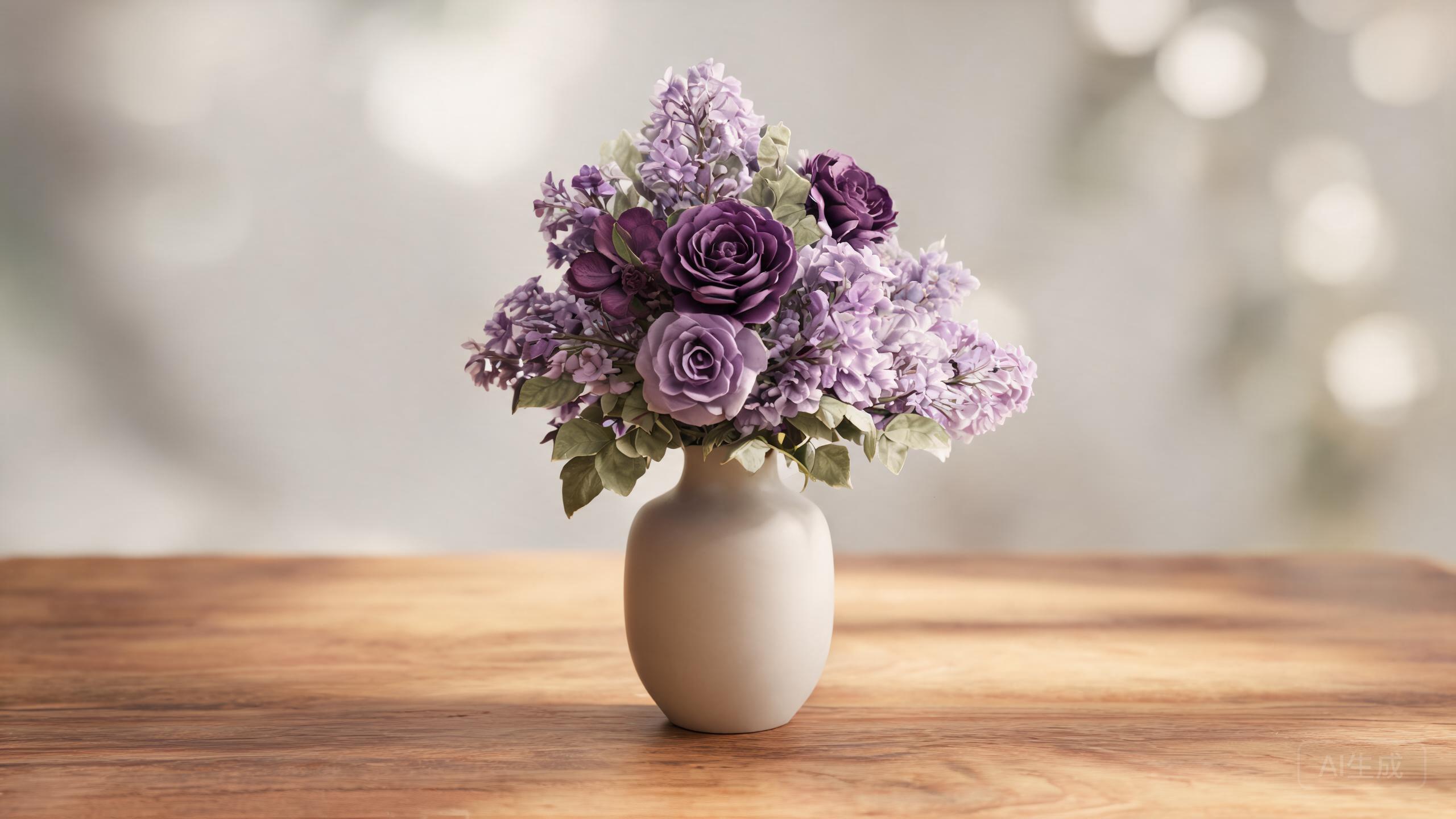
Creating beautiful floral arrangements is an art, but it’s an art built on fundamental principles anyone can learn. Whether you’re styling silk flowers for your home or exploring floral design as a hobby, these essential principles will elevate your arrangements from simple to stunning.
Balance refers to how visual weight is distributed in your arrangement. Symmetrical balance places matching elements on both sides, creating a formal, traditional look. Asymmetrical balance uses different elements of equal visual weight, creating a more modern, dynamic feel. Both are valid choices depending on your style.
Your arrangement should be proportional to its container and its setting. A general guideline is that your arrangement should be about one and a half times the height of your vase. For dining table centerpieces, keep arrangements low enough that guests can see each other across the table.
Rhythm creates movement that guides the viewer’s eye through your arrangement. Achieve rhythm through color repetition, varying heights, and strategic placement of focal flowers. Your arrangement should have a natural flow that invites the eye to explore every bloom.
Every arrangement benefits from a focal point, a dominant element that draws the eye first. This could be your largest flower, the most vibrant bloom, or a particularly striking stem. Supporting elements should complement rather than compete with your focal point.
Contrast keeps arrangements from feeling flat. Mix flower sizes, shapes, and textures. Pair large round blooms with delicate spiky ones. Combine smooth petals with textured leaves. These contrasts create depth and visual interest that make arrangements more engaging.
Harmony is the sense that all elements belong together. Achieve it through a consistent color palette, complementary textures, and a unified style. Even when using many different flowers, harmony makes the arrangement feel intentional and complete.
Odd numbers of flowers create more natural, visually pleasing arrangements than even numbers. Three, five, or seven stems of a particular flower look more natural-inspired than two, four, or six. This principle applies to the total number of stems and to individual flower types.
Build your arrangement in layers. Start with a greenery base, add your largest focal flowers, then fill in with medium and small blooms. Finally, add accent elements like berries or delicate stems. This layered approach creates fullness and dimension.
Ready to practice these principles? Explore our complete collection of silk flowers and greenery for your design projects.
Disclaimer: This article is for informational and inspirational purposes only. Product availability and styles may vary. Please visit our store for current offerings.
Tags: floral design, arrangement principles, beginner guide, flower styling